
 AM
 RU

Useful Articles
What Is the Difference Between Parquet and Engineered Wood Flooring?
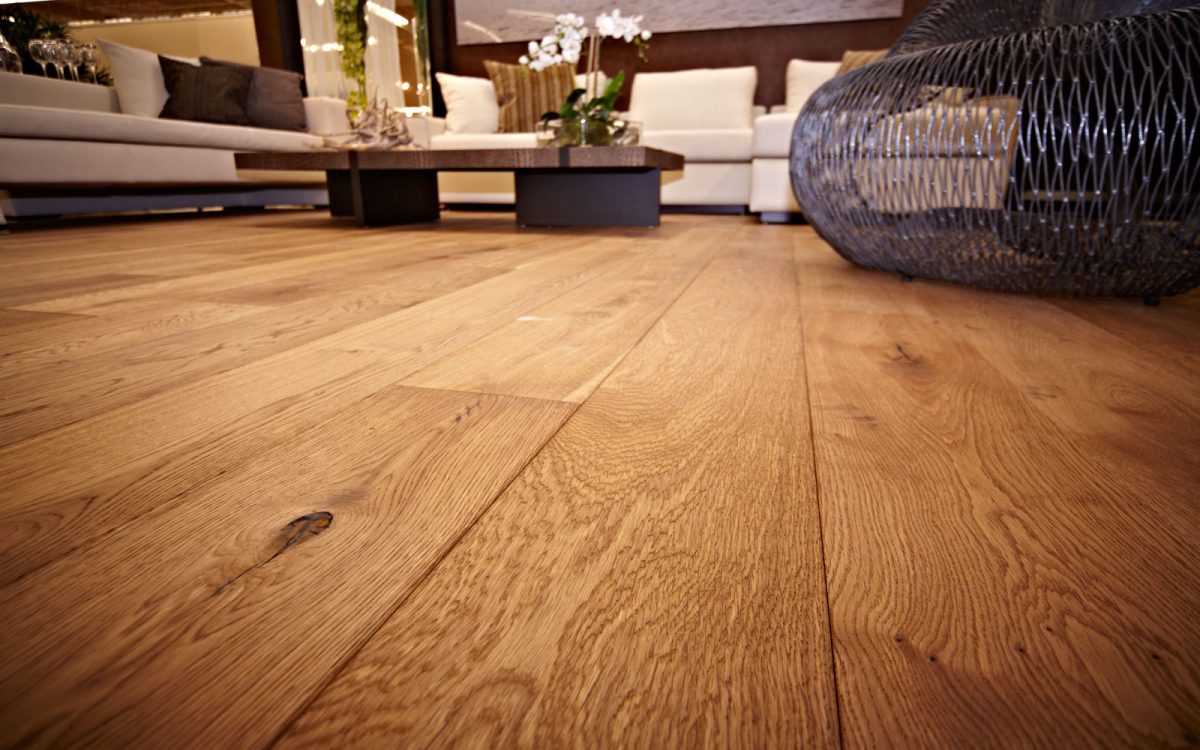
Parquet and engineered wood flooring are both natural wood flooring options and are often considered almost identical materials. However, they differ in construction, installation requirements, restoration possibilities, and performance characteristics.
Understanding these differences makes it easier to choose the right flooring for a particular interior and usage conditions.
Construction: Solid Wood and Multi-Layer Flooring
The main difference lies in the construction of the material.
Solid parquet flooring consists of individual blocks made entirely from natural wood. The thickness of the blocks may vary depending on the manufacturer and collection. Thanks to its solid construction, parquet can be sanded and restored multiple times, provided the permitted sanding depth is observed.
Engineered wood flooring has a multi-layer construction. The top layer is made from valuable natural wood and determines the appearance of the floor. The lower layers form the structural base and provide strength and dimensional stability.
The construction and thickness of engineered wood flooring may vary depending on the particular collection, so it is important to refer to the manufacturer’s specifications when making a choice.
Appearance
Both flooring options offer the key advantage of natural wood — a unique grain pattern, color, and texture.
Solid parquet provides more possibilities for creating different installation patterns, including herringbone, traditional plank layouts, geometric designs, and other decorative patterns.
Engineered wood flooring is usually available in larger formats. This makes it possible to create a calm, continuous surface with an expressive natural wood grain.
The choice largely depends on the interior style and the desired visual effect.
Installation
Engineered wood flooring is generally easier and faster to install thanks to its larger format and modern joining systems. Depending on the specific product, it can be installed as a floating floor or fixed directly to the subfloor.
Solid parquet requires more thorough subfloor preparation and professional installation. The individual blocks are laid according to the chosen pattern, after which the surface may require sanding and protective finishing if the parquet is supplied unfinished.
In both cases, the quality of the subfloor is essential. It must meet the manufacturer’s requirements regarding flatness, strength, moisture level, and other parameters.
Lacquer or Oil?
Modern engineered wood flooring is usually supplied with a factory-applied finish, such as lacquer or oil. This means that after proper installation, the floor is generally ready for use without additional finishing of the entire surface.
Solid parquet may be supplied either unfinished or with a factory-applied protective finish, depending on the manufacturer and collection.
Lacquer finish creates a protective layer on the surface and makes everyday maintenance easier.
Oil finish enhances the natural color and grain of the wood but requires regular care and periodic refreshing.
Care and Usage Conditions
Both parquet and engineered wood flooring are natural wood products, which means that both are sensitive to prolonged exposure to moisture and significant changes in indoor climate.
To preserve the appearance and dimensional stability of the floor, it is recommended to maintain a stable indoor temperature and humidity level, avoid prolonged contact with water, and use care products suitable for the specific type of flooring.
Regularly removing dust and sand particles also helps reduce the risk of scratches and premature wear of the protective finish.
Restoration Possibilities
One of the important advantages of solid parquet is its potential for repeated restoration. When the wood is sufficiently thick, the surface can be sanded to remove signs of wear and then refinished with a new protective coating.
Engineered wood flooring can also be restored, but sanding possibilities are limited by the thickness of its natural wood top layer. Therefore, the number of possible restorations depends on the specific construction and thickness of the top layer.
For this reason, when choosing flooring, it is worth considering not only its appearance but also the expected intensity of use.
Service Life
There is no single universal service life for parquet or engineered wood flooring. It depends on the quality of the material, its construction, top-layer thickness, installation quality, usage conditions, and maintenance.
Properly installed and maintained parquet can be restored when necessary and serve for decades.
Engineered wood flooring can also retain its attractive appearance for many years, particularly when the manufacturer’s recommendations are followed and proper maintenance is carried out.
Which Should You Choose: Parquet or Engineered Wood Flooring?
The right choice primarily depends on your requirements and the characteristics of the room.
Solid parquet is a good choice if:
- repeated restoration is important;
- you want to create a complex installation pattern;
- you prefer flooring made entirely from natural wood;
- you are looking for a floor designed for long-term use with the possibility of future restoration.
Engineered wood flooring is a good choice if:
- you prefer a large format and expressive natural wood grain;
- you want to simplify and speed up installation;
- you prefer a factory-applied protective finish;
- you are looking for a practical natural wood flooring solution.
What Matters Most When Choosing?
Regardless of the material, it is important to consider the quality of the wood, flooring construction, top-layer thickness, type of protective finish, and intended usage conditions.
Proper subfloor preparation is equally important, as is professional installation. Even high-quality flooring cannot deliver its full potential if installation requirements are not followed.
Conclusion
Parquet and engineered wood flooring are two different ways of bringing the beauty of natural wood into an interior.
Solid parquet is valued for its solid natural wood construction, wide range of decorative installation patterns, and strong restoration potential. Engineered wood flooring combines a natural wood top layer with a multi-layer construction, convenient formats, and, in most cases, a factory-applied finish.
Both options can provide a durable and expressive wood floor. The key is to choose the construction that best suits the room, interior design, and your requirements for everyday use.