
 AM
 RU

Useful Articles
Engineered Wood Flooring Stability: Features and Benefits
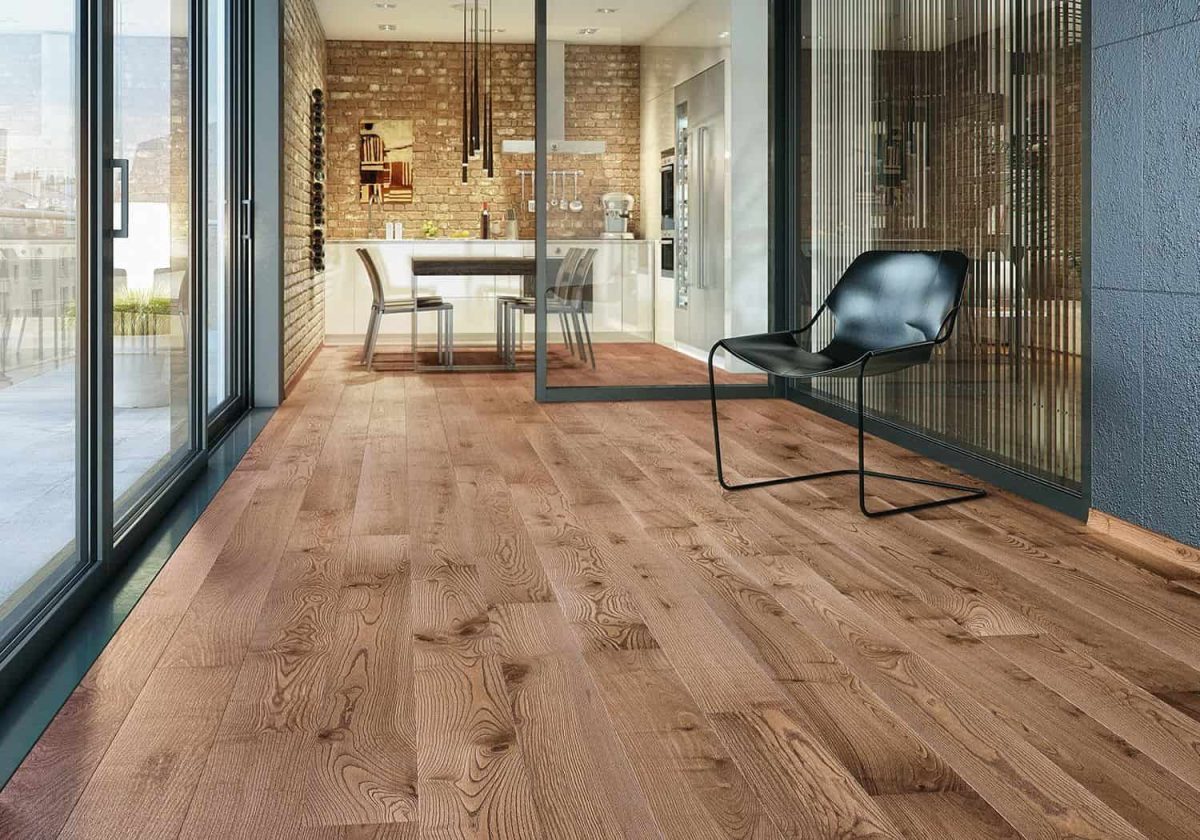
Natural wood is valued for its unique texture and ability to create a warm and welcoming atmosphere in an interior. However, wood is sensitive to changes in temperature and humidity: as environmental conditions change, it can expand or contract. This is why the construction of a flooring product plays an important role in its stability.
Engineered wood flooring is designed with these natural characteristics of wood in mind. Thanks to its multi-layer construction, it offers high dimensional stability and is less susceptible to deformation than solid wood flooring.
Engineered Wood Flooring Construction
Engineered wood flooring consists of two main layers that work together to provide strength and stability.
Top Layer — Natural Wood
The top layer is made from a valuable wood species and determines the appearance of the flooring. It creates the natural grain pattern, color and texture of the wood.
The thickness of the wood layer allows the natural beauty and advantages of real wood to be preserved while combining them with a more stable construction. Depending on the model, the surface can be finished with lacquer or oil, providing additional protection and enhancing the natural beauty of the wood.
Bottom Layer — Moisture-Resistant Plywood
The base of the engineered board is made from multi-layer plywood. The cross-layer arrangement of the wood fibers helps compensate for the natural movement of the wood.
The combination of a natural wood top layer and a stable plywood base reduces the likelihood of deformation caused by seasonal changes in the indoor microclimate.
Why Is Stability So Important?
Wood flooring constantly interacts with its surrounding environment. Temperature and relative humidity can change throughout the year, especially in heated rooms.
A stable construction helps minimize the influence of these factors and allows the flooring to maintain its geometry when properly installed and maintained.
Key Benefits
Dimensional Stability
The multi-layer construction reduces the natural movement of wood and helps the board maintain its shape.
Structural Strength
The plywood base provides rigidity and reliability, while the natural wood top layer retains the beauty and benefits of genuine wood.
Suitable for Different Interiors
Engineered wood flooring combines the natural texture of wood with a technologically advanced construction, making it suitable for both classic and contemporary interiors.
Long-Lasting Performance
With proper installation, suitable indoor conditions and regular care, engineered wood flooring can maintain its attractive appearance and performance for many years.
Engineered Wood Flooring and Floor Stability
One of the key advantages of engineered wood flooring is the combination of natural wood and a carefully designed construction. The top layer provides the aesthetic appeal, while the multi-layer plywood base helps compensate for the natural movement of the wood.
At the same time, it is important to remember that any natural wood flooring requires compliance with the manufacturer’s recommendations regarding installation, temperature and humidity. Proper subfloor preparation and professional installation also play an important role in the long-term stability of the finished floor.
Conclusion
Engineered wood flooring is a modern flooring solution that combines the natural beauty of wood with the advantages of a stable multi-layer construction.
The plywood base and natural wood top layer make it possible to create a strong and attractive floor that, under proper conditions, maintains its geometry and appearance for many years.
By choosing engineered wood flooring, you get the beauty of a natural wood floor combined with a construction designed for stability and long-term performance.